A 2022 TikTok appeal brought customers back to a struggling Salt Lake City restaurant. The family reported rehiring staff and much longer waits; the episode shows why reach and operating capacity need separate plans.
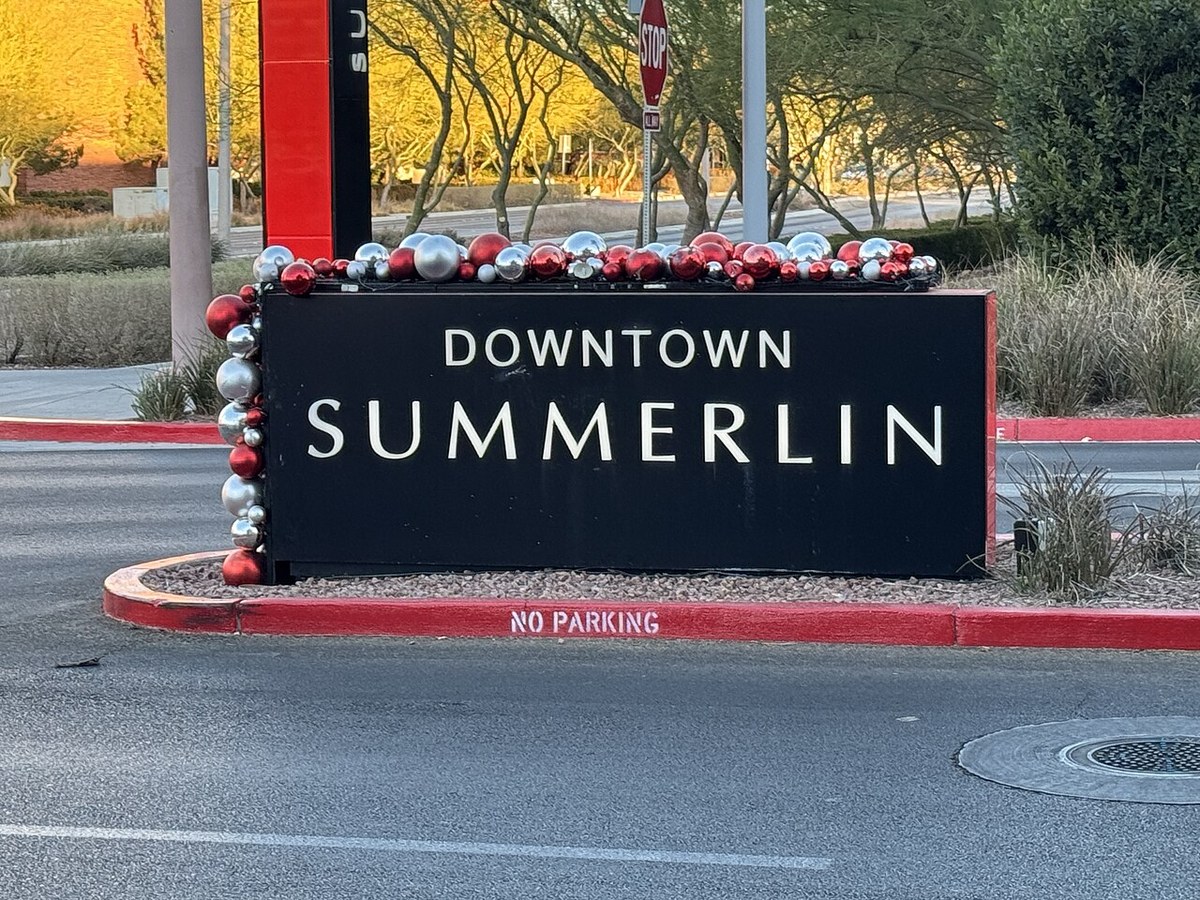
Mama Llama Bakery faced a warning over customers collecting orders from its Las Vegas home. A café partnership gave the product another route to buyers; the financial terms remain undisclosed.
The Ohio restaurant reopened in Parma in August, after a fire forced it out of Cleveland. The return of familiar customers offers a concrete comeback milestone; the financial recovery remains unmeasured.
Capital spending exceeded operating cash flow last quarter. Meta’s planned non-voting stock separates financing from control; the initial share dividend itself raises no cash.
MGX participated in both labs’ last funding rounds. The reported race ahead of Anthropic’s expected IPO makes the distinction between new cash, company value and investor liquidity more consequential.
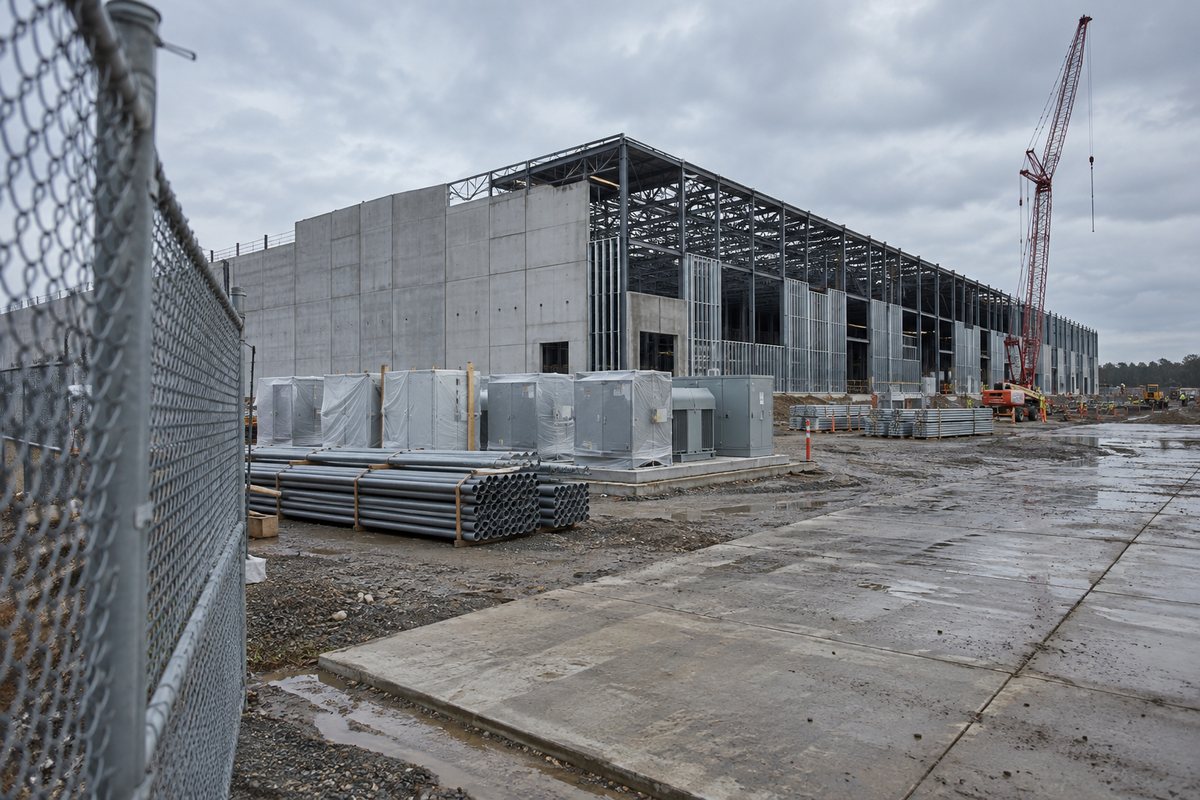
Microsoft reportedly ended its Loughton agreement. The source report leaves its reason unspecified; the original announcements show why hardware delivery and usable power need separate scrutiny.
A daughter's appeal brought attention to an empty Illinois restaurant. Contemporary reports show the practical response: warn people about waits, ask them to order ahead and explain where to park.
Temporary registration begins now, while proposed bans and licensing rules await consultation. The documents distinguish selling a service from transferring technology or control.
Profit rose 68.7% from a year earlier. The quarter-to-quarter comparison reveals new production costs, missing earlier gains and a useful distinction between earnings and cash.
Café Bích Nga’s April–June 2026 turnaround had two parts: renewed custom and a separate housing fundraiser. Combining them would obscure what actually changed for Lieng Le.
New generation, existing supply and reserve capacity serve different purposes. Adding the headline figures conceals what the agreements actually provide.
Funding and valuation headlines describe investor appetite. MiniMax's filed results show a different test: how fast sales catch up with research spending.
Foxconn's third-quarter revenue jumped 47%. Its last reported operating margin was 3.75%, compared with TSMC's 60.3%—a reminder that hardware sales alone do not show who earns the profit.
Six developments reported on October 1–2 show the costs and dependencies behind AI: electricity contracts, a proposed Japanese campus, cybersecurity scrutiny, model access and memory supplies.
Amazon is testing investor appetite for a vehicle that would buy about $8bn of its Nvidia chips and rent them back, Reuters reported, citing the FT. The proposed lease-back raises a harder question: how much protection investors need when the hardware ages faster than a data centre.
A 19-year-old graduate put his savings into a Taylor taco shop, then watched a social-media appeal bring customers from Windsor and Ohio. The April 2026 turning point is a lesson in what attention can start—and what a small business still has to sustain.
The memory-chip maker survived a 2001 creditor rescue, spent years on a technology few customers needed and now says it will invest 1,100 trillion won across three Korean manufacturing hubs.
The Puddery's comeback began with a plea for customers. Nearly three years later, Janel Prator is selling a different message: you can actually get served.
A 2026 change can protect post-death growth from qualifying trusteed TFSAs. CRA’s new form and part of its beneficiary webpage give different instructions.
A grocery chain can leave a property while a land restriction or lease clause still limits a rival. Major chains are rolling some controls back—but removal creates an opportunity to compete, not a guaranteed new store or lower price.
Canada’s new data-centre principles say project-driven electricity costs should not land on households or existing businesses. The real test is who pays for grid upgrades—and who carries the cost if demand falls short.
Only if you are a resident of Canada and still have unused TFSA contribution room. A withdrawal is restored as room on January 1 of the next calendar year, not when you take the money out.
Lower headline inflation does not show whether groceries became cheaper. Even slower food inflation leaves the measured food basket dearer when its rate remains positive.
The S&P 500 closed last week at an all-time high of 7,798.99 after two inflation reports came in softer than feared. What makes this rally unusual is the direction of the argument behind it: the next Federal Reserve move under debate is a rise, not a cut.
Three dissents at the last meeting, governors openly split, a chair who won't show his hand, and a president demanding cuts while part of the committee argues for a hike. The minutes on Wednesday and the Jackson Hole symposium later this month will show which faction is winning.
Retail sales fell 0.6% in July despite a World Cup boost, consumer sentiment dropped hard, and real wages have been falling for six months. The economy's engine hasn't stalled — but it is knocking.
River AI said it raised $1.1 billion across Series Seed and Series A. Lovable said it raised $400 million at a $13.3 billion valuation—approximately twice its December 2025 valuation. Funding raised and company valuation are different measures.
Super Micro jumped 19% on results, memory makers surged, and Big Tech's AI spending is on course to top $700bn this year. The earnings are real; so is the size of the cheque being written to keep them coming.
Weak retail sales and soft jobs data lifted stocks last week because they argue against a rate hike. That logic has a shelf life, and the expiry conditions are visible in advance.
Households now expect prices to rise faster over the next year than most savings accounts pay. The gap between the rates savers see and the inflation they expect is quietly deciding who gets poorer.
The capex ledger: a smaller spending forecast can reflect a change in accounting. Investors need to understand the difference before calling the AI build-out cheaper.
What Imperium Post is, how its own reporting is labelled, where the Newsstand comes from, and how to reach the desk. This page is part of the app, not an article, and carries no date.
Kept in this browser's local storage and sent only to api.openai.com. Never uploaded anywhere else. Without a key, Listen falls back to your device's built-in voice.
The Newsstand is gathered on the site's build, on a half-hour schedule that GitHub runs when it can — a target, not a promise — so the time shown is when it was actually gathered. Only publicly available RSS/Atom feeds are used; nothing behind a paywall or login is fetched, and every story links back to its publisher. Gathering the Newsstand never changes Imperium Post's own articles.
Imperium Post is new and shaped by its readers. Tell us what to fix or cover:
send feedback →